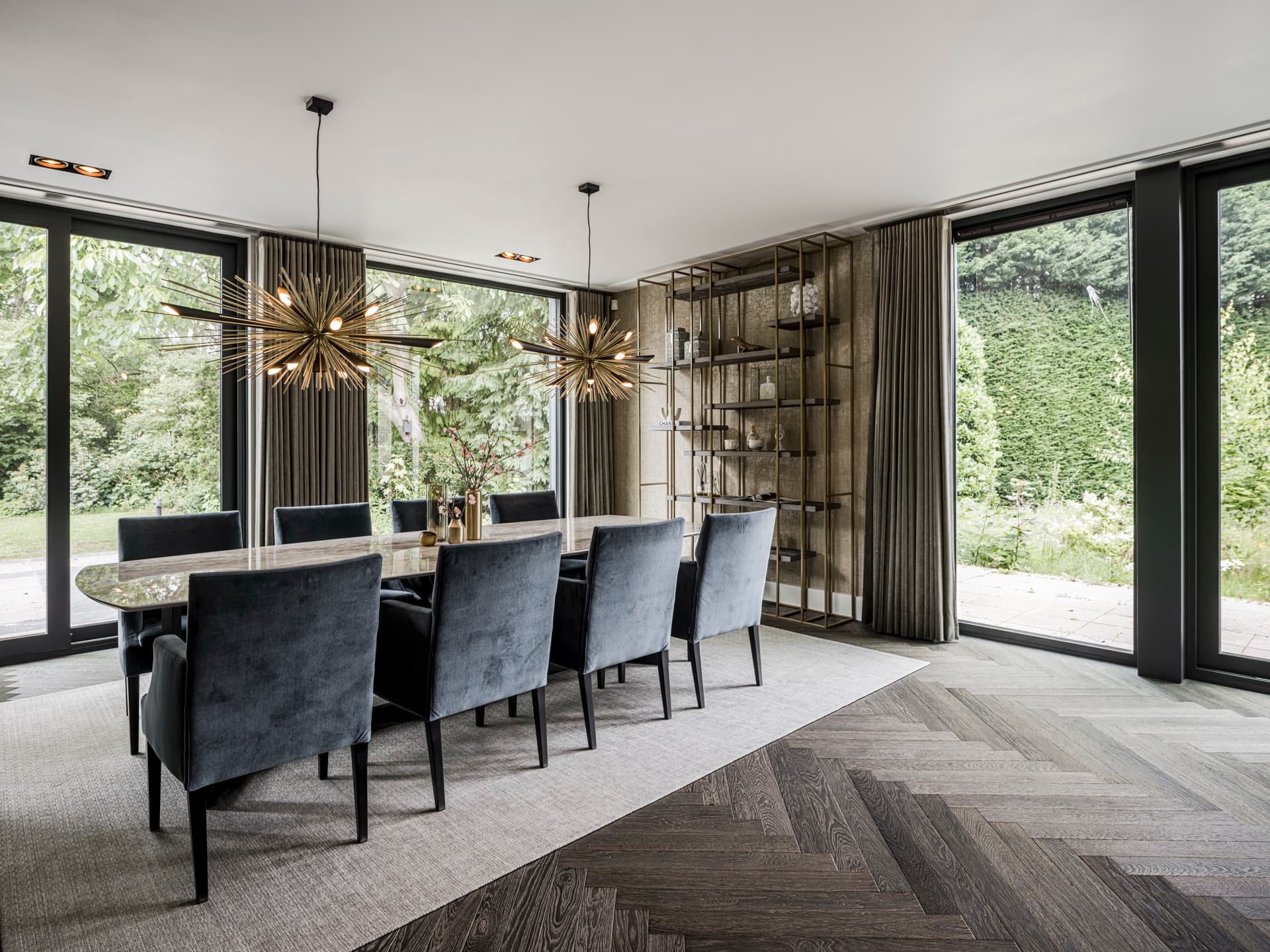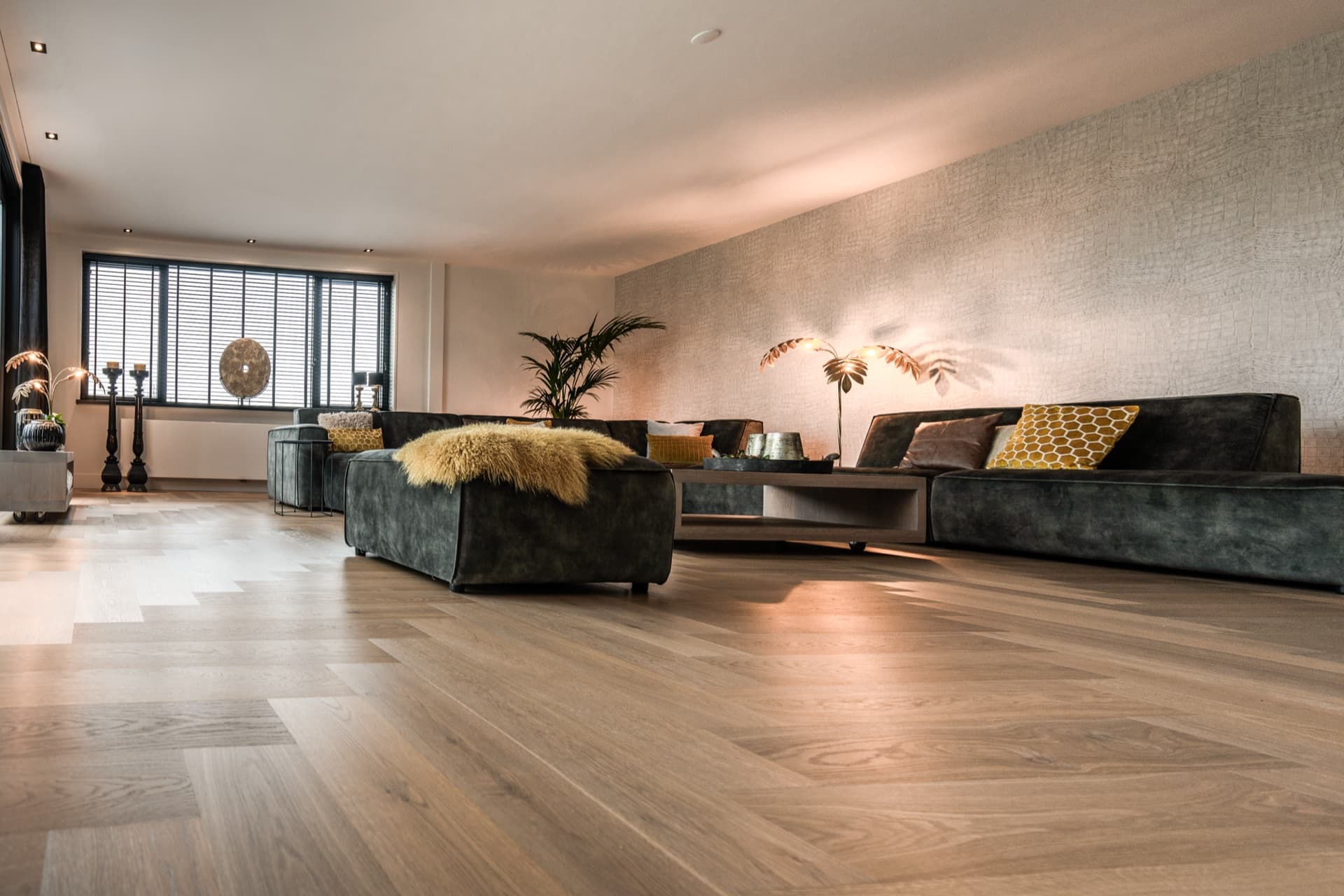
Underfloor heating and wooden floors — for years, many homeowners were told these two don't mix. But with modern engineered oak flooring, this combination works beautifully. At Real Dutch Floor, all six of our collections are approved for underfloor heating. Here's how to get it right.
The single most important factor is the floor's construction. Solid oak floors expand and contract too much with the temperature fluctuations of underfloor heating, leading to gaps, cupping, and potential damage. Engineered oak, with its cross-laminated core, is designed to handle these thermal cycles. The opposing grain directions in each layer counteract the wood's natural movement.
This is the golden rule. The surface temperature of your wooden floor should never exceed 27°C. Most underfloor heating systems allow you to set a maximum surface temperature — use this feature. At 27°C, the floor feels pleasantly warm underfoot without stressing the wood.
Every layer between the heating element and the room adds thermal resistance. Your total floor build-up (including underlay and the floor itself) should have a thermal resistance below 0.15 m²K/W. Thinner floors like our Eco collection (12.8mm) are ideal for underfloor heating because they transfer heat more efficiently than thicker alternatives.
Both systems work with engineered oak, but water-based (hydronic) systems are preferred. They heat more gradually and distribute warmth more evenly, which is gentler on wood. Electric systems can create hotspots and heat up faster, which increases stress on the floor. If using electric, ensure it has proper thermostatic control.
For the best heat transfer and stability, always glue your oak floor directly to the screed over underfloor heating. Floating installation creates an air pocket between the floor and screed, reducing heat efficiency by up to 30% and allowing more movement. A full-surface bonding with flexible parquet adhesive ensures optimal contact and minimal movement.
Before installing your floor, the underfloor heating must be properly commissioned. This means gradually increasing the temperature over 2-3 weeks to dry out residual moisture from the screed. After installation, the same gradual approach applies — never jump from cold to maximum heat. Increase by 2-3°C per day.
Underfloor heating dries out indoor air, especially in winter. Maintain relative humidity between 40-60% year-round using a humidifier if needed. This prevents excessive shrinkage and keeps your floor — and your family — comfortable. A simple hygrometer helps you monitor conditions.
All six collections — Classic, Design, Eco, Forest, Nature, and Royal — are suitable for underfloor heating. Our Eco collection at 12.8mm is particularly efficient due to its lower thermal resistance. The Royal collection with its Royal Protect finish adds an extra layer of protection against temperature-related wear.
Real Dutch Floor Editorial
Written by the flooring experts at Real Dutch Floor. With decades of experience in European oak parquet manufacturing, our team shares practical insights on choosing, installing, and maintaining wooden floors.