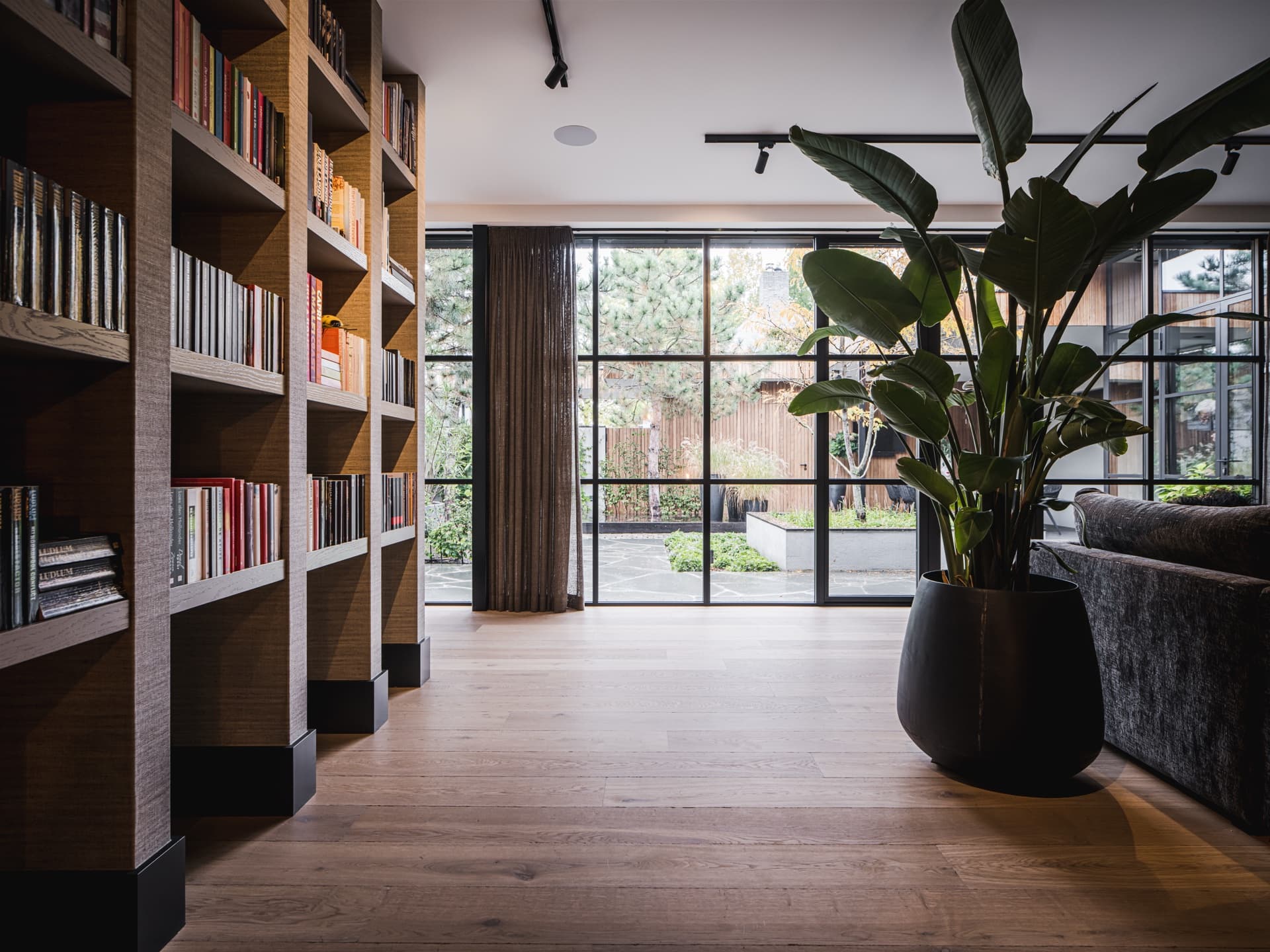
Plank width is one of the most underestimated decisions in floor selection. Most people focus on color and finish — but get the width wrong, and even the most beautiful oak floor can look out of place. Here's how to get it right.
Narrow (70-120mm): Traditional and detailed. Narrow planks create a sense of refinement and work beautifully in pattern installations like herringbone and chevron. They're ideal for smaller rooms and historic properties where wider planks would look anachronistic.
Medium (140-180mm): Versatile and balanced. The most flexible choice, working well in rooms of all sizes. Medium-width planks offer a good balance between showing the wood's natural grain and maintaining proportion.
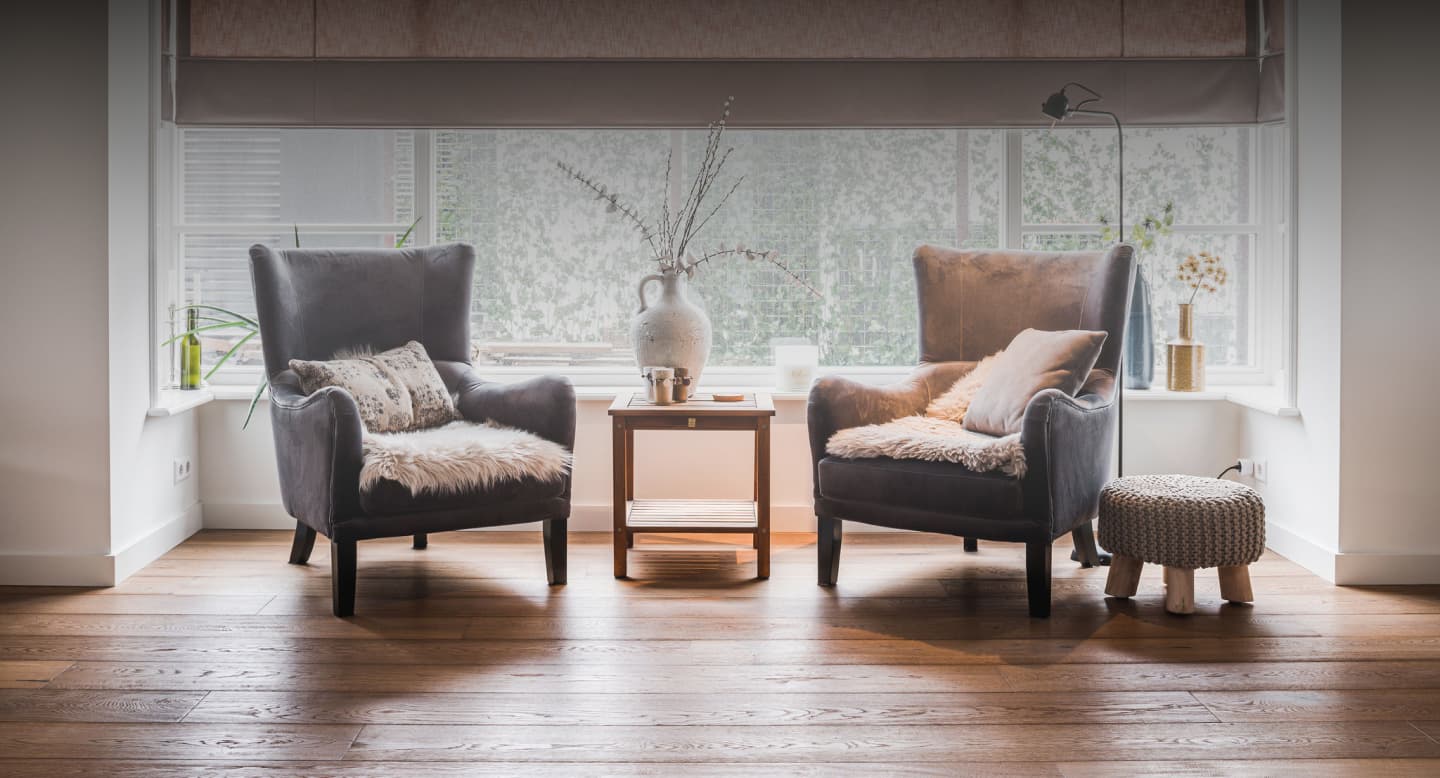
Wide (200-260mm+): Contemporary and spacious. Wide planks create a calm, expansive feel and showcase the full character of the oak grain. They're the premier choice for modern interiors and open-plan living spaces.
This is the most important rule: your plank width should be proportionate to your room size. Here's a practical guide:
Rooms under 15m²: Stick to narrow or medium widths (up to 150mm). Wide planks in a small room create an overwhelming effect — you see too few planks, which draws attention to the floor rather than letting it complement the space.
Rooms 15-30m²: Medium widths (140-200mm) work beautifully. You have enough floor area to appreciate the wider plank without it dominating.
Rooms over 30m²: This is where wide planks (200mm+) truly shine. In a spacious living area or open-plan kitchen-dining space, wide planks create a serene, luxurious atmosphere.
Ceiling height matters more than most people think. Rooms with high ceilings (3m+) can handle wider planks because the room has vertical volume to balance the horizontal proportion. In rooms with standard or lower ceilings (2.4-2.6m), very wide planks can make the space feel compressed.
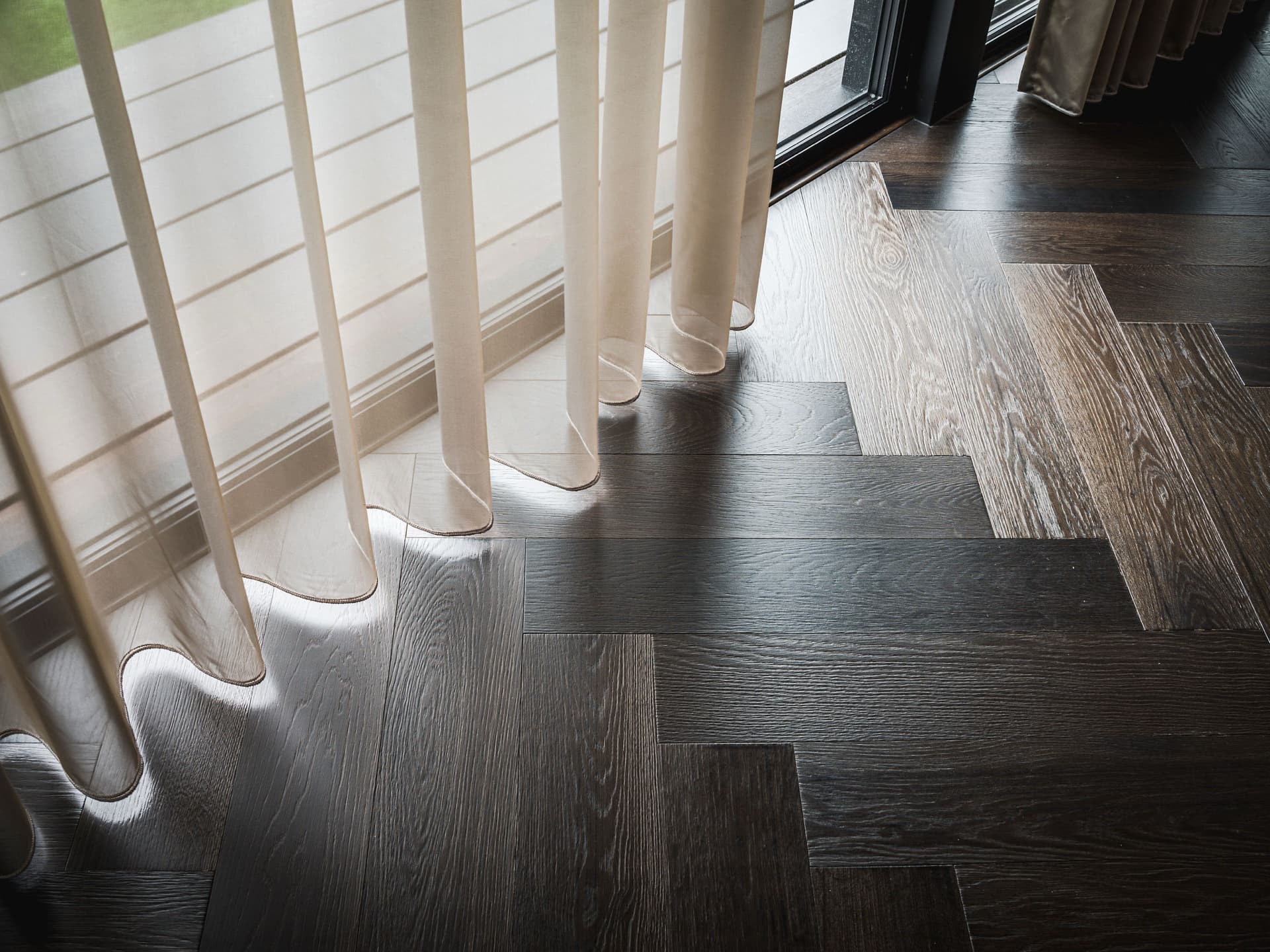
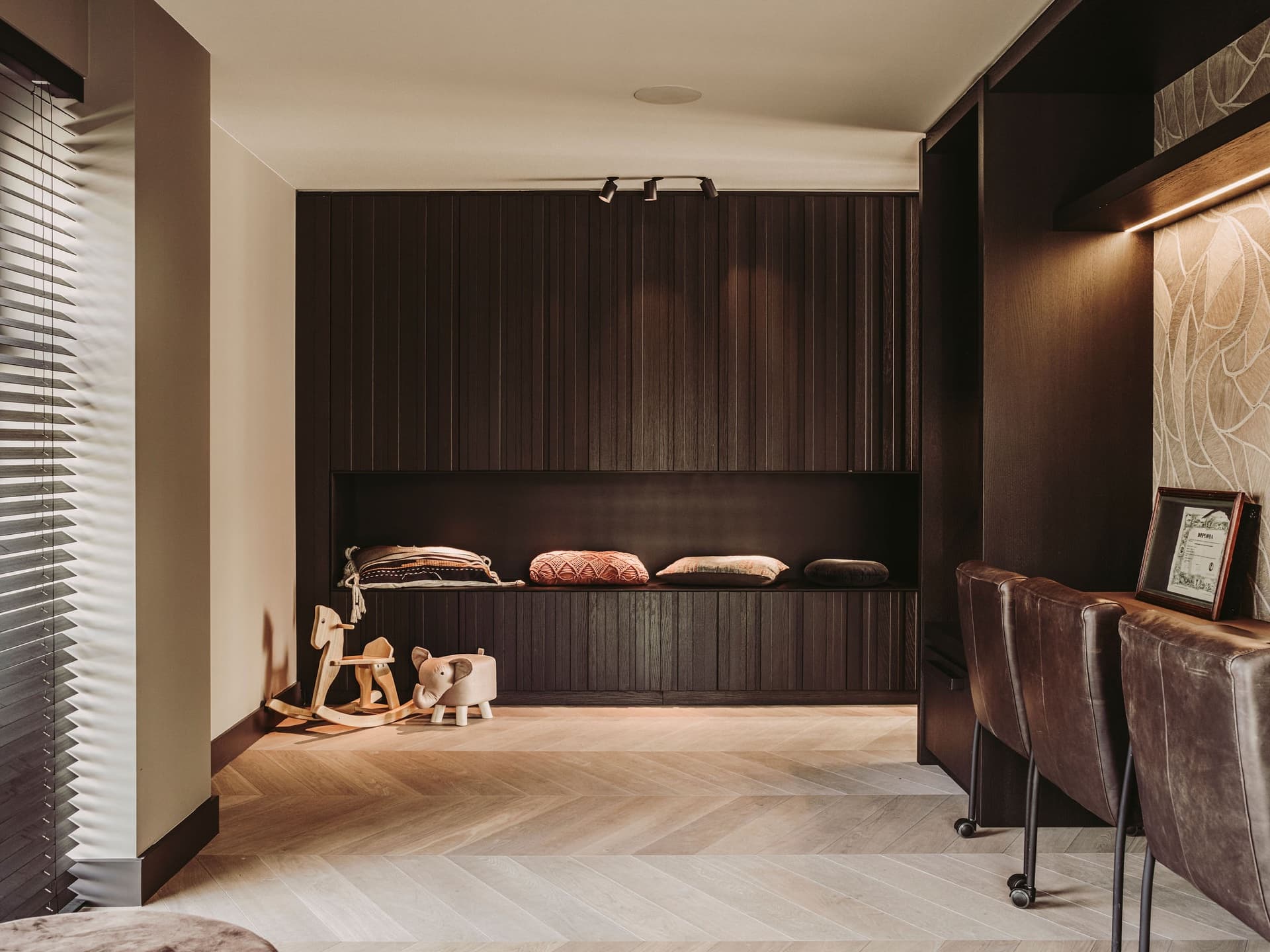
If you're planning a herringbone or chevron pattern, plank width becomes even more critical. Narrower planks (70-90mm) create a detailed, intricate pattern. Wider planks (100-120mm) in herringbone create a bolder, more contemporary look. Beyond 120mm, herringbone can start to look unbalanced.
Fewer joint lines (wide planks) create a calm, uninterrupted surface. More joint lines (narrow planks) add rhythm and detail. Neither is better — it depends on the atmosphere you want. A minimalist interior benefits from the serenity of wide planks. A warm, characterful space might benefit from the visual rhythm of narrower planks.
Our collections span the full range of widths: from 70mm herringbone planks in Classic to 260mm wide boards in Royal. Each width has been carefully proportioned to the plank length, ensuring visual harmony. We can help you find the perfect width for your specific project — just request our catalogue or visit our showroom with your room dimensions.
Real Dutch Floor Editorial
Written by the flooring experts at Real Dutch Floor. With decades of experience in European oak parquet manufacturing, our team shares practical insights on choosing, installing, and maintaining wooden floors.