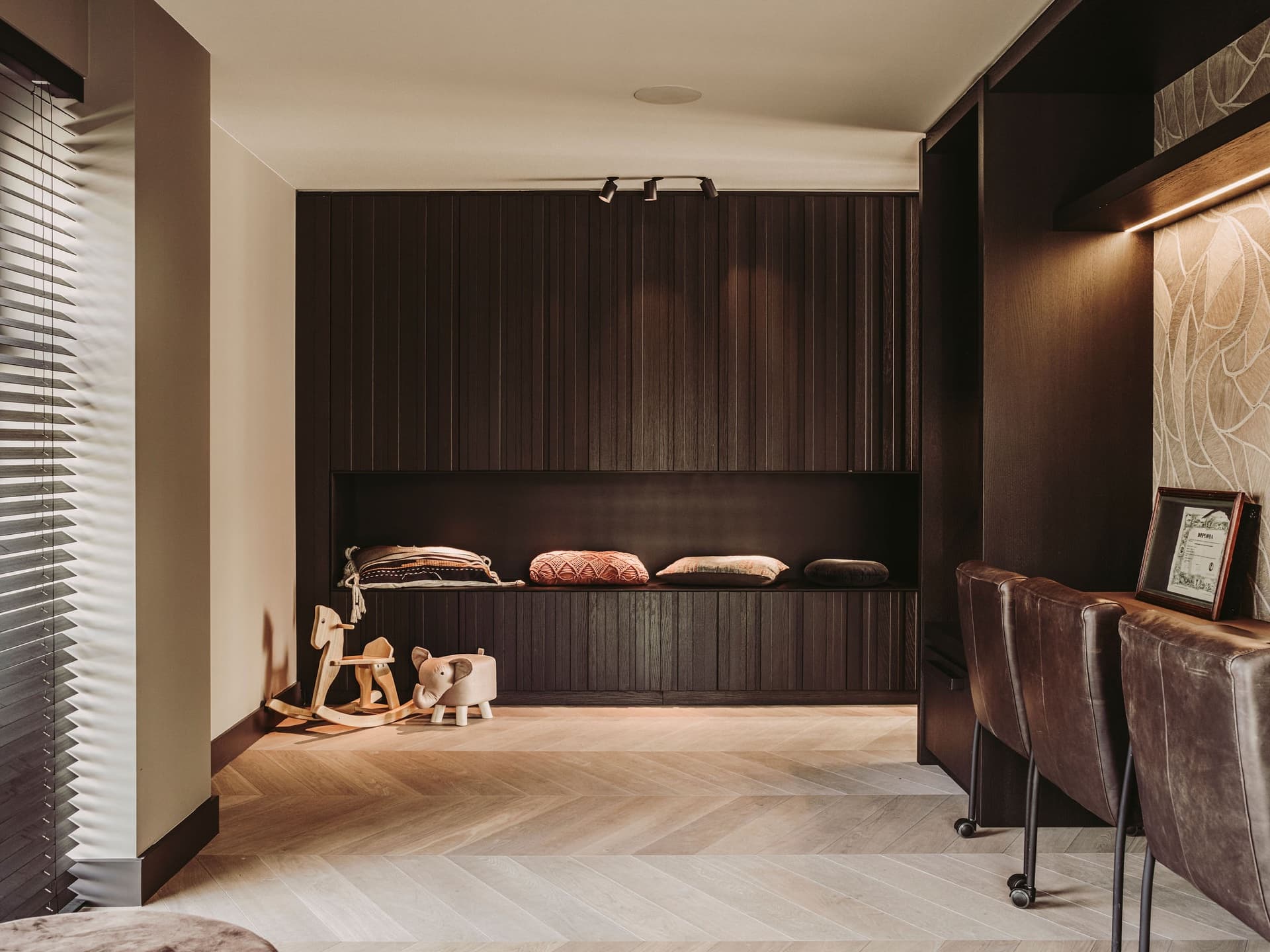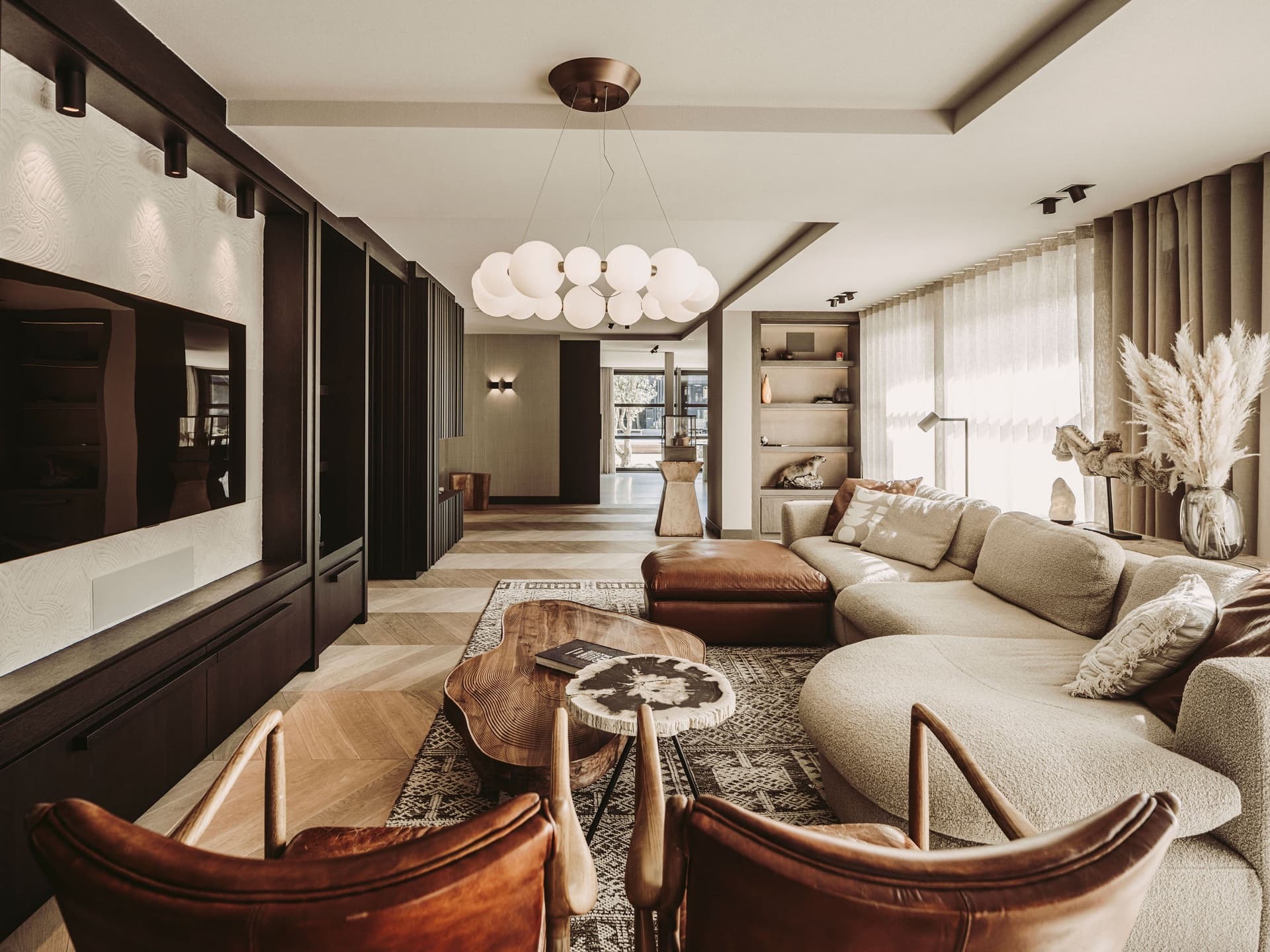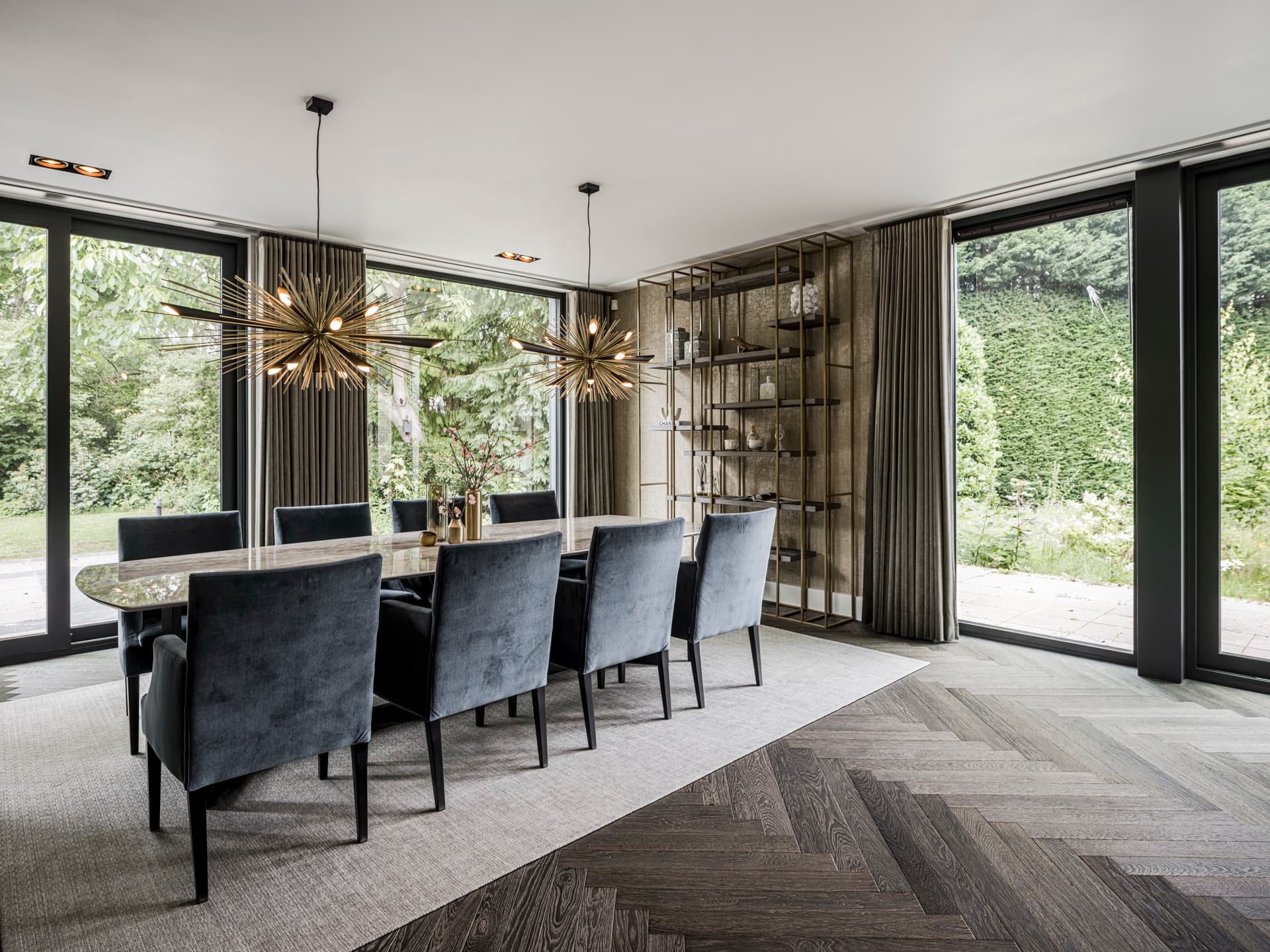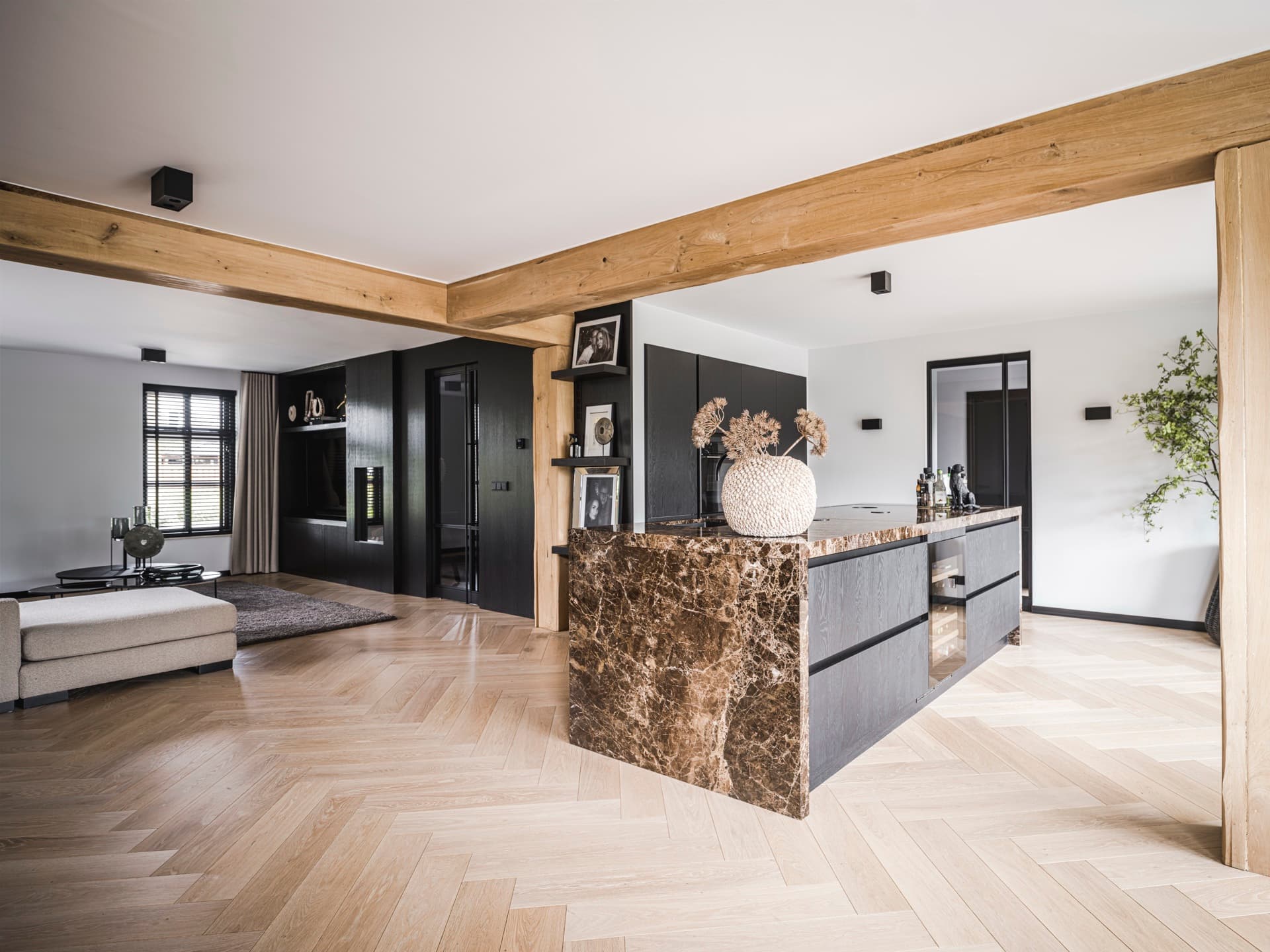
Choosing the color and pattern of your oak floor is important, but the finish arguably matters even more. It determines how your floor looks, how it feels underfoot, how it ages, and how much maintenance it needs. Here's an honest guide to the four most popular finishing techniques.
Oil penetrates the wood fiber rather than sitting on top of it, creating a natural, matte look that enhances the oak's grain and texture. The result is a floor that looks and feels like real wood — because the surface is real wood, not a coating.
Pros: Natural appearance, pleasant tactile feel, easy spot repairs (just sand and re-oil a damaged area), deepens in character over time.
Cons: Requires periodic re-oiling (every 1-2 years in high-traffic areas), more vulnerable to water stains if spills aren't wiped up quickly.
Best for: Living rooms, bedrooms, and spaces where you want an authentic, natural look. Our Nature and Forest collections showcase oiled finishes beautifully.
Lacquer creates a transparent protective film over the wood surface. Modern UV-cured lacquers are highly durable and can range from ultra-matte (barely visible) to high-gloss.
Pros: Excellent stain resistance, lower maintenance than oil, good for high-traffic areas and households with children or pets.
Cons: Scratches are harder to repair locally (often requires sanding the entire floor), can feel slightly "plastic" compared to oiled surfaces, less natural aging character.
Best for: Hallways, kitchens, and busy family homes. Our Royal collection with Royal Protect finish combines the best of both worlds.
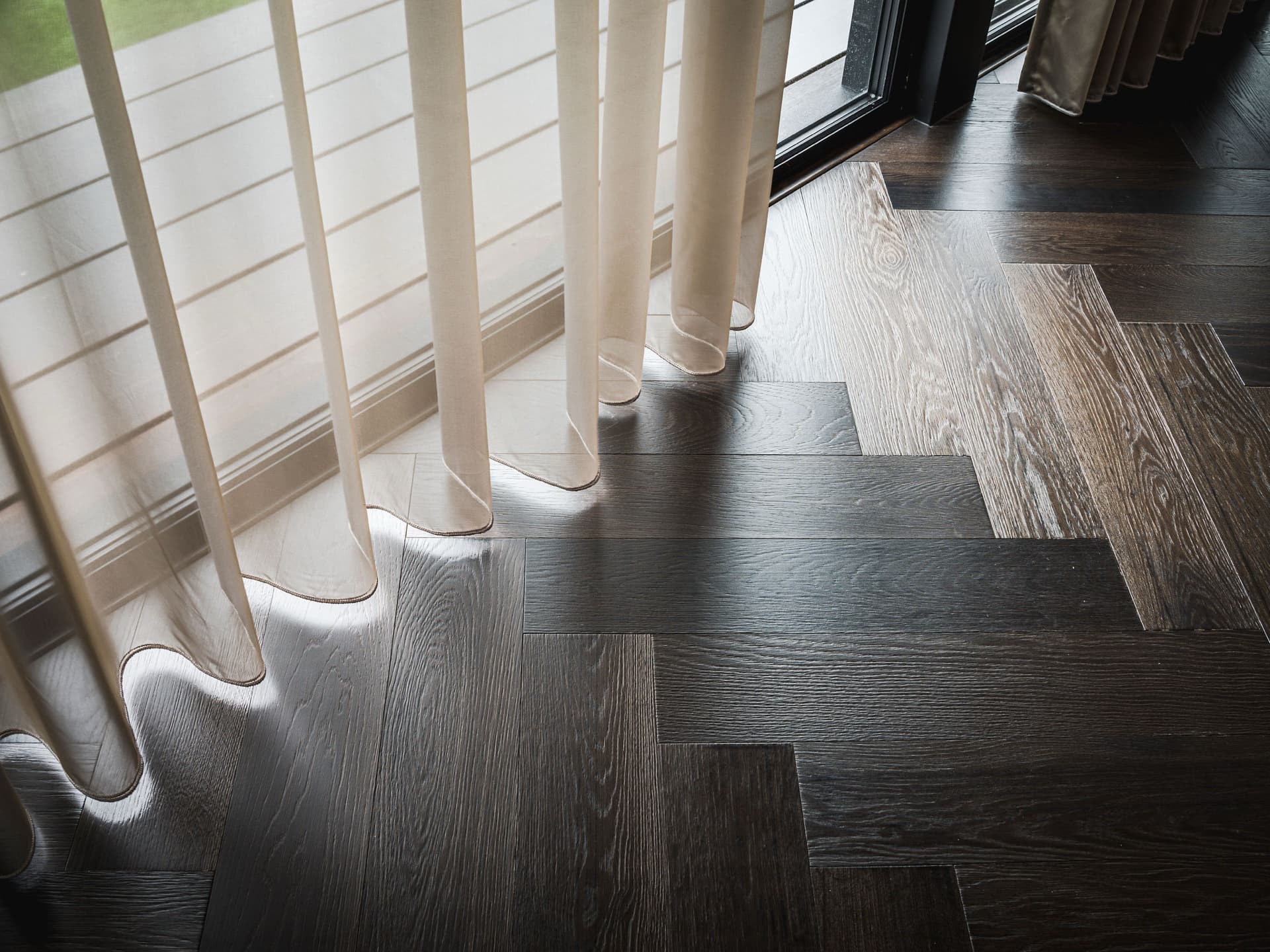
Smoking (or fuming) is a traditional Dutch technique where oak is exposed to ammonia vapors. This triggers a chemical reaction with the tannins in the wood, darkening it from the inside out. The result is a deep, rich color that goes beyond the surface — you can't scratch through it.
Pros: Color goes through the entire top layer, incredible depth and variation, each plank is unique, ages beautifully.
Cons: Limited color range (primarily warm browns to deep charcoals), the process requires expertise and controlled conditions.
Best for: Classic and contemporary interiors that want warmth and character. Multiple variants in our Classic and Design collections use smoking techniques.
Brushing removes the softer spring wood from the surface, leaving the harder winter grain raised. This creates a tactile, three-dimensional texture that you can both see and feel. It also makes the floor more resistant to visible wear — scratches blend into the textured surface rather than standing out.
Pros: Hides daily wear and scratches, adds rustic character, provides grip, enhances the natural grain pattern.
Cons: Deeper texture can trap more dust (easy to clean with regular vacuuming), very smooth or glossy looks aren't achievable.
Best for: Family homes, rustic interiors, and anyone who wants a floor that looks better with age. Most of our Eco and Nature collections feature brushed surfaces.
Many premium floors combine multiple techniques. A smoked and brushed floor with an oil finish, for example, offers deep color, tactile texture, and natural aging — the best of all worlds. At Real Dutch Floor, we develop unique combinations for each collection to achieve the exact character we envision.
Consider your lifestyle first. Busy family with young children? A brushed, lacquered floor hides wear and resists stains. Minimalist apartment for two? A smooth, oiled floor in a light tone creates serene elegance. The right finish isn't about better or worse — it's about what works for you.
Real Dutch Floor Editorial
Written by the flooring experts at Real Dutch Floor. With decades of experience in European oak parquet manufacturing, our team shares practical insights on choosing, installing, and maintaining wooden floors.