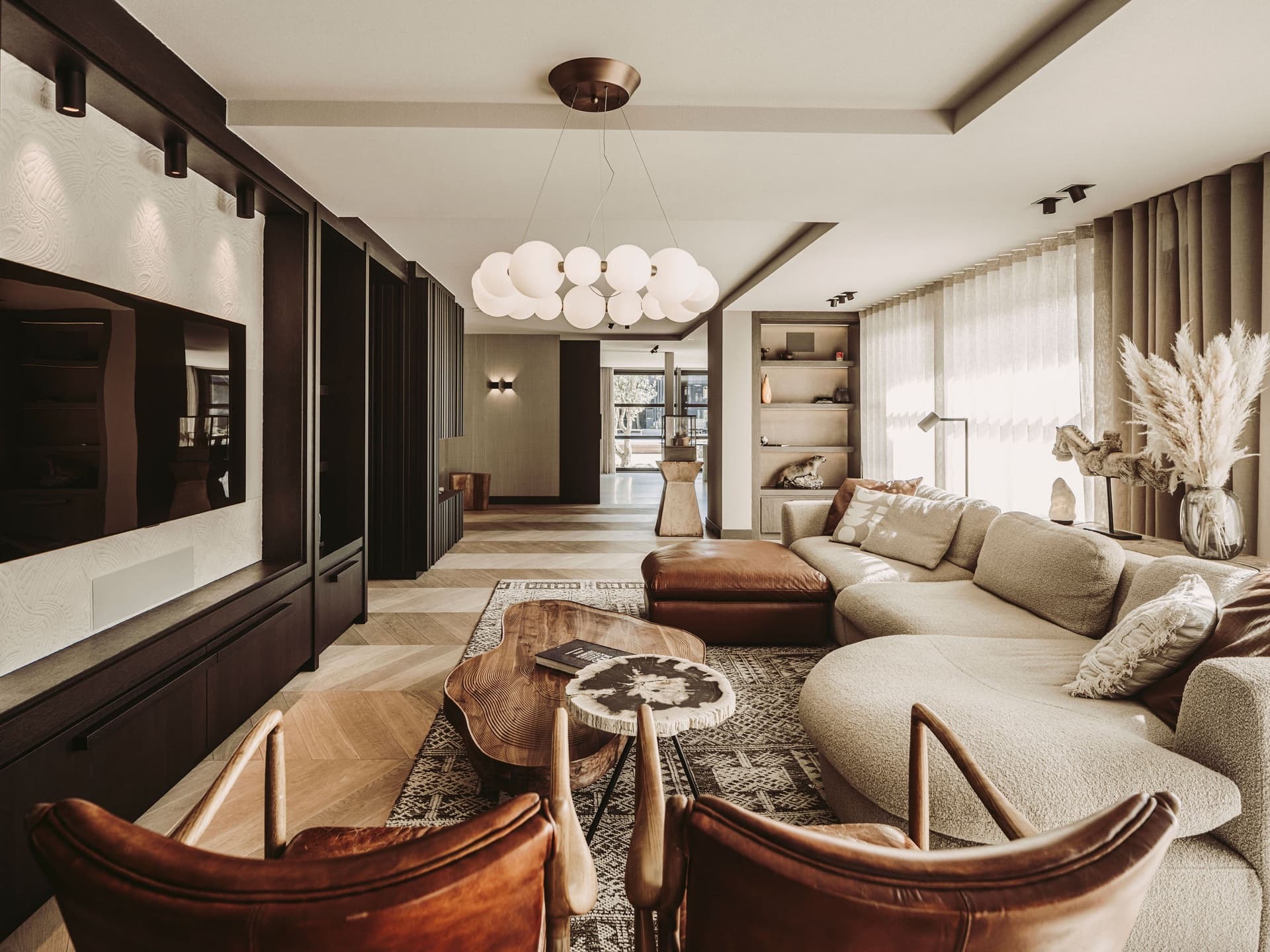
With the European wood flooring market projected to nearly double by 2031, wooden floors are more popular than ever. But what's trending isn't just about growth — it's about a fundamental shift in how people relate to their floors. Here are the trends we see from our production facility in Oss.
After years of cool greys and near-white floors dominating showrooms, the pendulum is swinging back to warmth. Honey-toned, amber, and cognac-colored oak floors are in high demand. These warm earth tones create a sense of comfort and timelessness that pairs naturally with both modern and traditional interiors.
At Real Dutch Floor, our Classic and Nature collections capture this trend perfectly, with colors that enhance the natural warmth of European oak rather than masking it.
The glossy, heavily lacquered floor is firmly in the past. Today's homeowners want floors that look and feel natural. Ultra-matte oils and invisible lacquers that preserve the wood's raw character are the overwhelming preference. The goal is a floor that looks like it could have been there for decades — authentic, unfussy, and genuine.
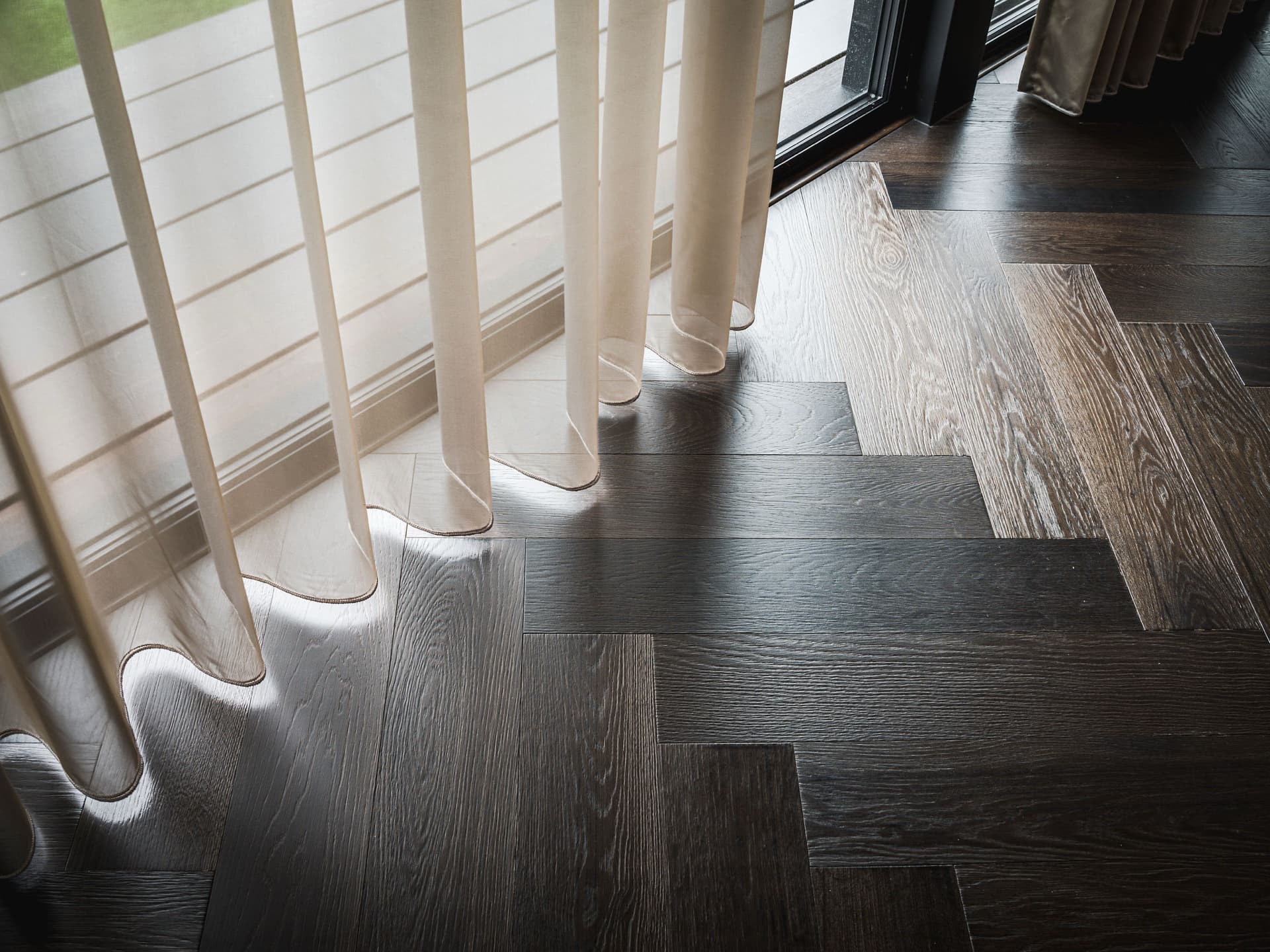
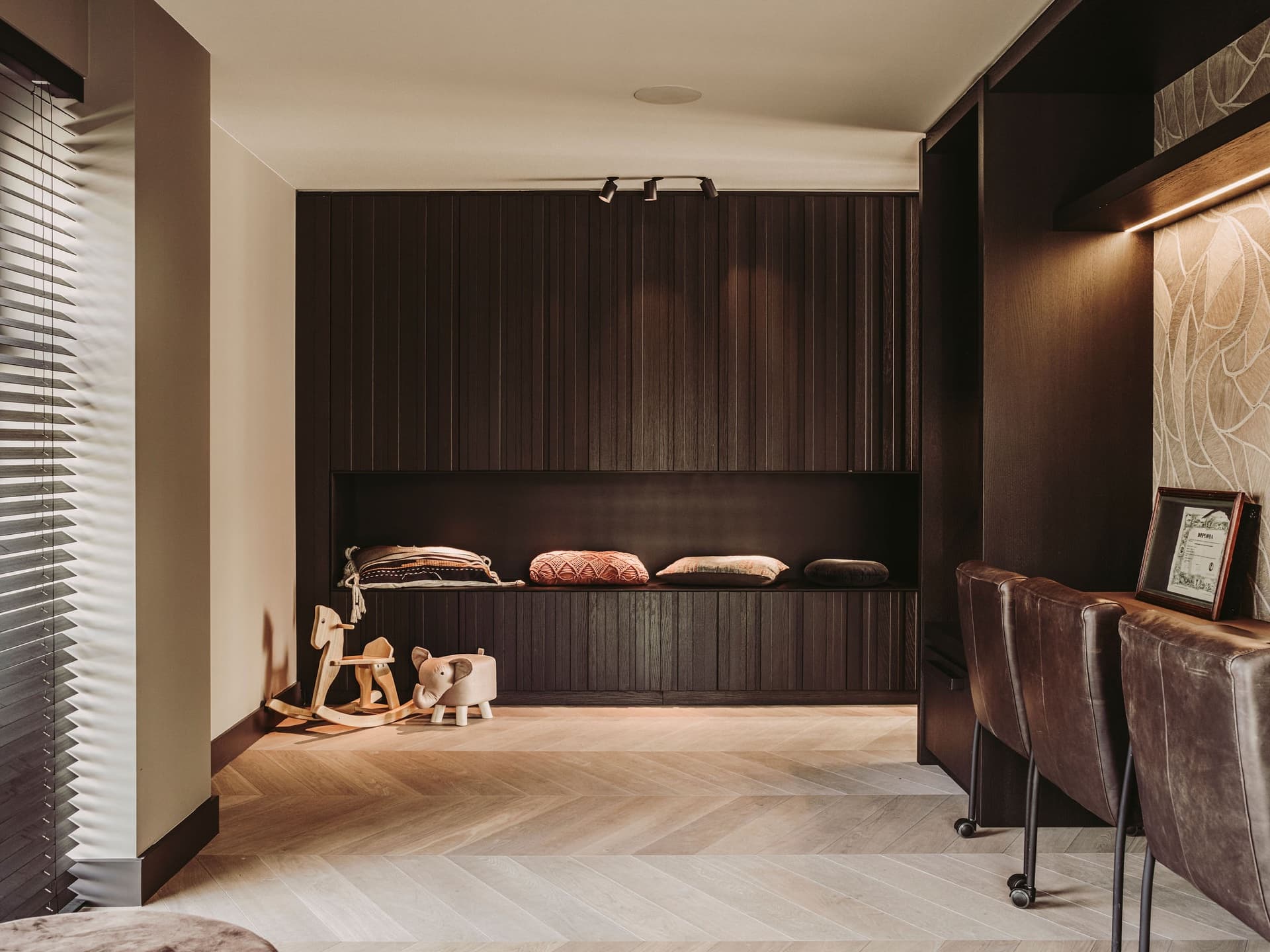
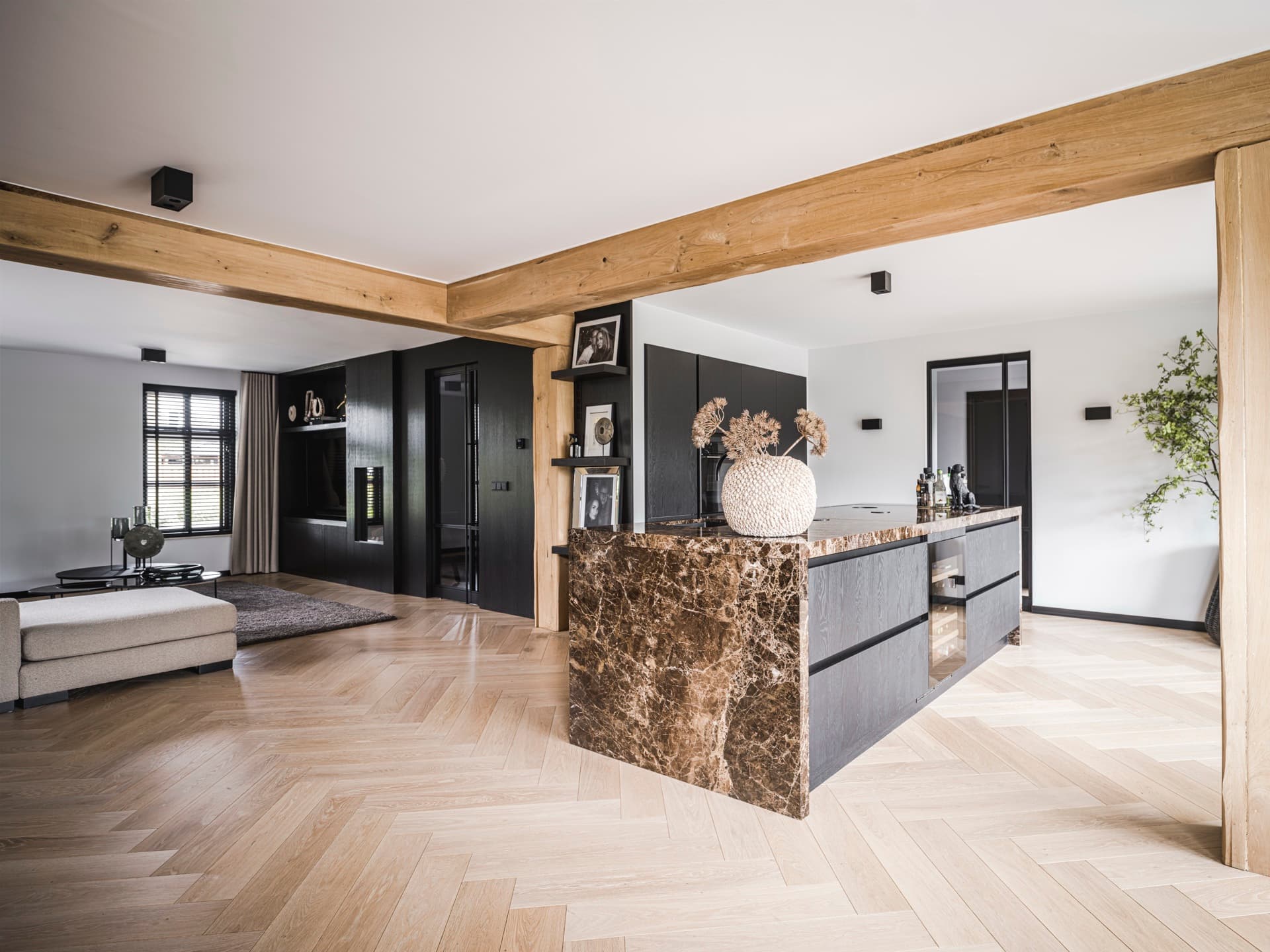
Herringbone was never truly out of style, but it's experiencing a serious resurgence. What's changed is the context: herringbone is no longer reserved for grand historic interiors. It's being used in modern apartments, open kitchens, and even commercial spaces. The pattern adds visual interest and craftsmanship to otherwise minimalist spaces.
Chevron patterns are following a similar trajectory, particularly in the premium segment where clients want something distinctive.
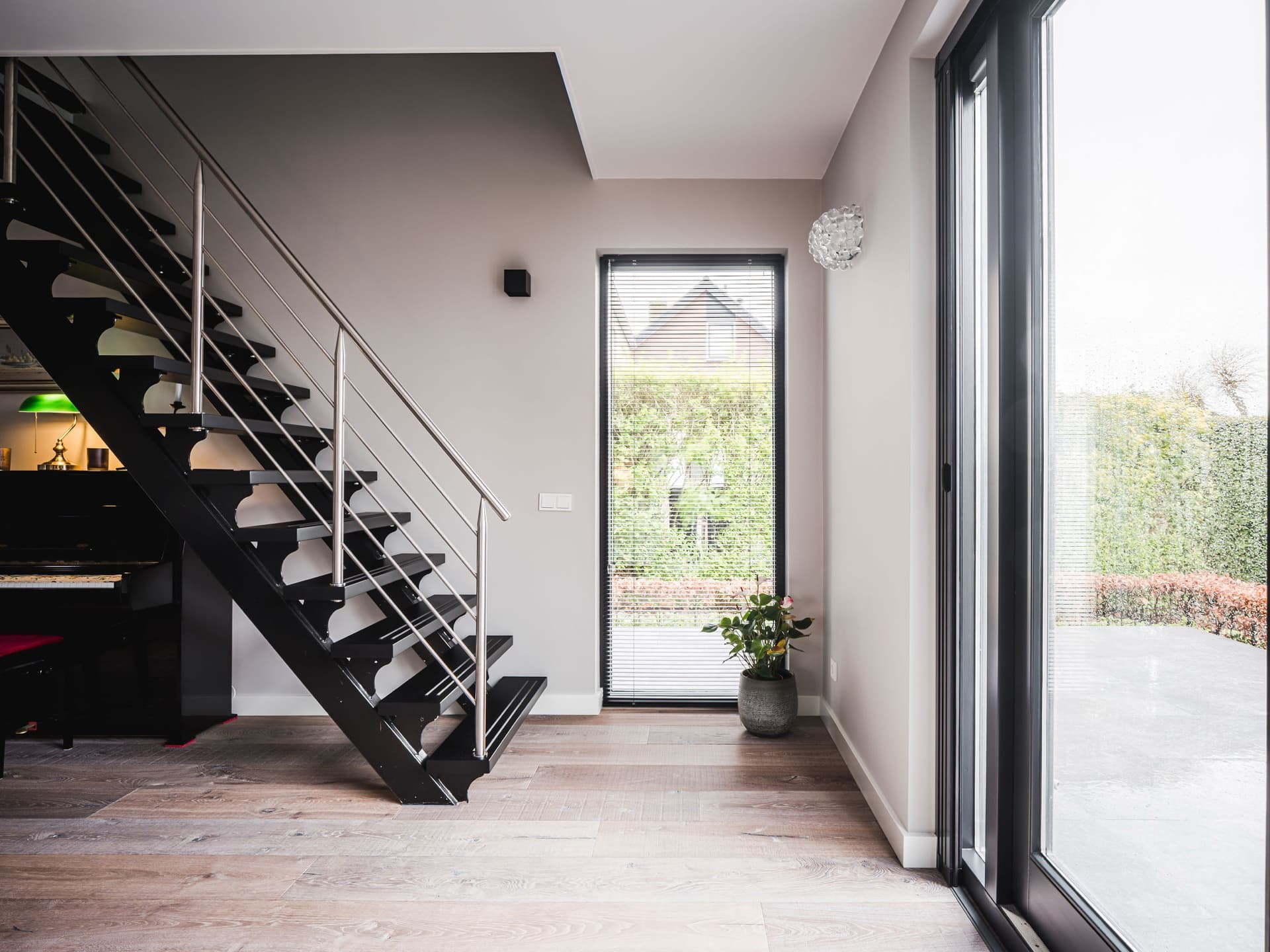
The trend toward wider planks shows no sign of slowing. Widths of 220-260mm are now standard in premium flooring, where they once were specialty products. Wide planks showcase the natural grain of European oak and create a calm, spacious feel. Our Royal collection offers planks up to 260mm for exactly this reason.
Sustainability has moved from a marketing differentiator to a basic expectation. Consumers, architects, and specifiers now ask about environmental credentials as a matter of course. FSC and PEFC certification, efficient material use, and responsible manufacturing aren't selling points anymore — they're entry requirements.
Our Eco collection at 12.8mm thickness represents this shift: using 30% less raw material while maintaining premium quality. It's not marketed as a "green" product — it's simply how modern floors should be made.
Smooth, perfectly uniform floors are giving way to surfaces with character. Brushed, hand-scraped, and wire-brushed textures that reveal the natural grain structure of oak are increasingly popular. These textured surfaces aren't just beautiful — they're practical, too, hiding daily wear and small scratches better than smooth alternatives.
The open-plan living trend has driven demand for floors that flow seamlessly from room to room — including into kitchens and even bathrooms. With the right engineered construction and finish, a single oak floor can unify an entire home, eliminating the visual interruption of transition strips and material changes.
Beyond trends, some things remain constant: the appeal of genuine European oak, the importance of quality craftsmanship, and the desire for a floor that ages beautifully rather than simply wearing out. These are the values we've built Real Dutch Floor on, and they're more relevant than ever.
Real Dutch Floor Editorial
Written by the flooring experts at Real Dutch Floor. With decades of experience in European oak parquet manufacturing, our team shares practical insights on choosing, installing, and maintaining wooden floors.